LibraX at Hotel Expo Nigeria 2026
Our CEO and members of the support and operations team spent both days at the Landmark Event Centre meeting property-owning companies. Here is what was said, and why a hospitality marketplace was in the room.
LibraX at Hotel Expo Nigeria 2026
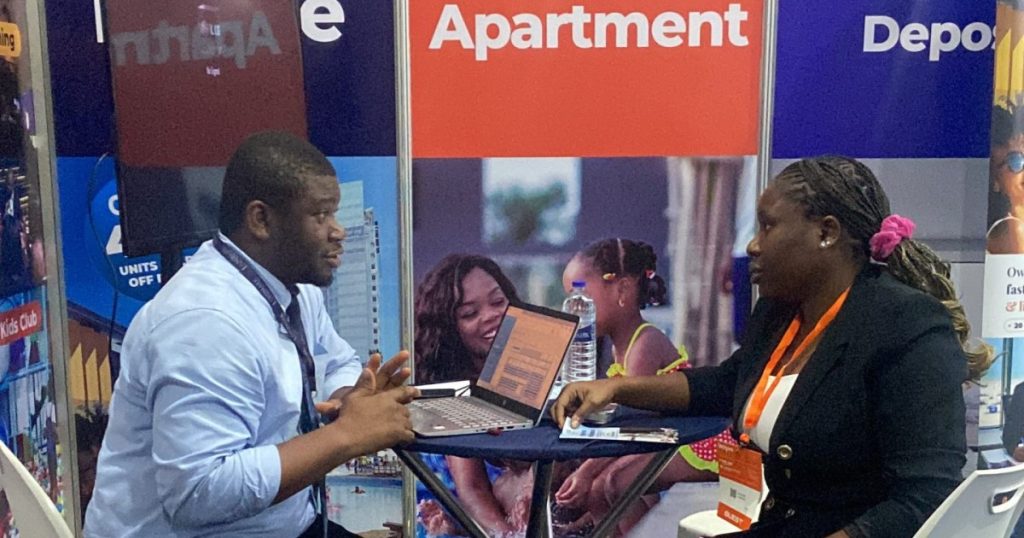
The LibraX team spent both days of Hotel Expo Nigeria at the Landmark Event Centre in Oniru on 28 and 29 September. We went as attendees rather than exhibitors, and the purpose was straightforward: to meet the people who own and operate property, and to listen to where the industry thinks it is going.
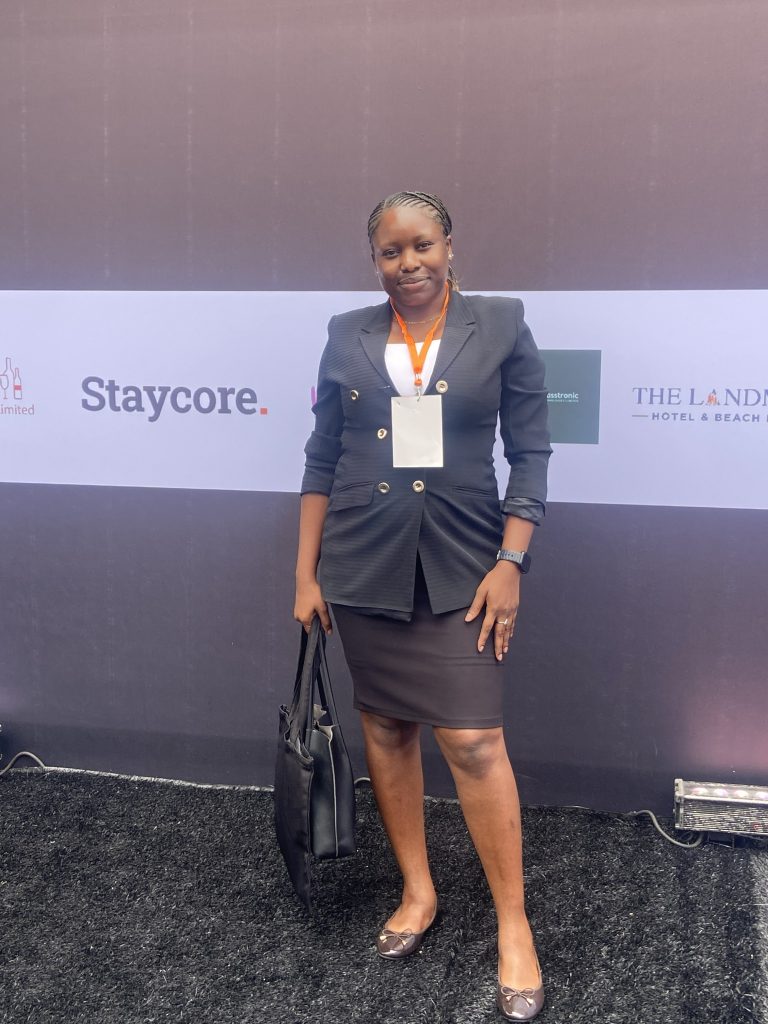
Representing LibraX were Rex Awhatefe, our chief executive, Sharma Jordans, customer support specialist, and Emmanuel, operations specialist.
Why a marketplace goes to a hotel expo
LibraX is a marketplace for hospitality in Nigeria. Hotels, serviced apartments and shortlets all list with us, and so do the companies that operate them. A guest booking through LibraX is not shopping by category. They want to know the place is real, that it is available, and that it will be what the pictures promised.
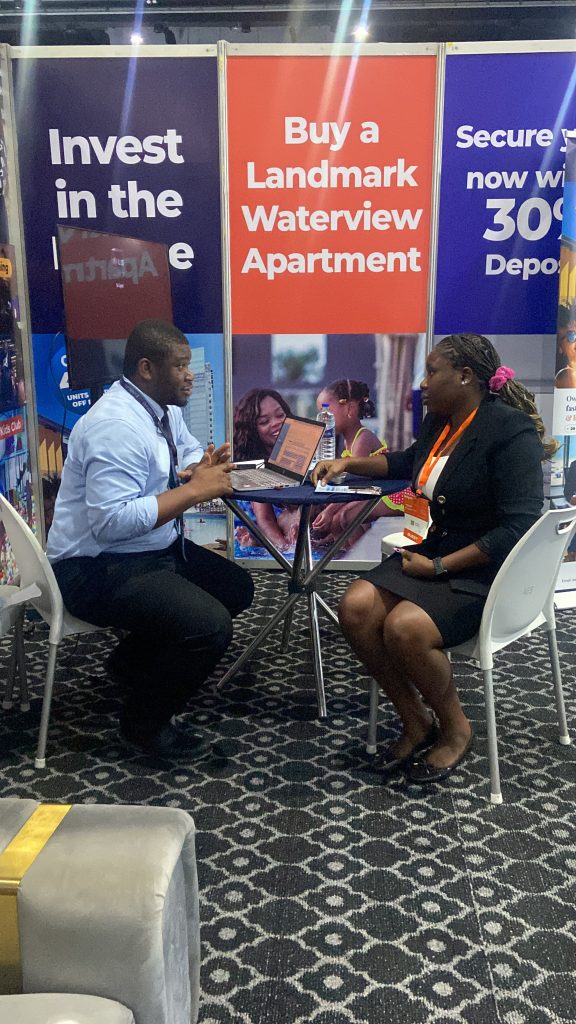
That makes an event like HEN squarely our business rather than adjacent to it. The room was full of exactly the companies we exist to serve: property owners, hotel operators, developers, and the consultants and investors around them. Over two days we spent most of our time talking to property-owning companies, which is the most useful thing we could have done with a floor pass.
What Hotel Expo Nigeria is
HEN has run since 2019, and this was its seventh edition. It bills itself as West Africa’s premier hospitality and tourism industry event, and the floor supports the claim: hotels, restaurants and food service, interior design, hospitality technology, travel and tourism, and real estate, all in one hall.
This year’s theme was Unlock, Explore, Build. The event is convened by Joe Hanson alongside co-founder Michael Yanai.
From visibility to value
The most interesting thing about this edition was structural. HEN changed its own format in two ways that say something about where the industry’s attention has moved.
First, traditional panel discussions were replaced with Talk Sessions: ten-minute presentations built around a specific problem and a specific answer. Anyone who has sat through a sixty-minute hospitality panel that produced one usable idea will understand the reasoning.
Second, the organisers introduced the HEN Networking Roundtable, a curated format putting hotel owners, consultants, investors and technology providers around the same table rather than leaving connections to chance in a crowded hall.
Joe Hanson framed the shift directly:
The next phase of HEN is about moving from visibility to value. We want people to leave HEN with more than contacts and conversations; we want them to leave with opportunities, collaborations, partnerships, and deals that can change the trajectory of their businesses.
Michael Yanai described the aim of the curated networking as letting stakeholders engage directly, identify mutual interests and explore practical opportunities for collaboration.
That is a sharper ambition than most industry events set themselves, and it is a fair description of what this market needs. There is no shortage of people in Nigeria with a property and an intention. There is a shortage of the specific, practical knowledge that turns one into a business, and of the distribution that fills it once it exists.
Who was on the agenda
The speaker list was a reasonable map of the industry. It included Trevor Ward, managing director of W-Hospitality Group; Millie Slade, co-founder of Jara Beach Resort and Lufasi Lodges; Kofi Abunu, managing director and chief executive of Food Concepts Plc; Moyo Ogunsiende, group chief executive of Club Concierge International and GoTravelCC; Dami Adepoju, senior director for lodging development in West Africa; Toni Ukachukwu, chief executive of Aviators Magazine; Salome Danjuma of The Wheatbaker; Jide Sipe, president of ACAMB; Utibe Bassey of Cruxstone Group; the author and strategist Bruce Prins; and Onyinye Okonji, chief executive of Bedrock Residences.
Two are worth pulling out for anyone listing property with us.
Onyinye Okonji of Bedrock Residences. Serviced residences sit exactly where our own catalogue does, between the hotel and the apartment. The operational questions are the same ones our partners ask us: how you handle turnover, how you price a long stay against a short one, and how you keep standards consistent across units nobody visits every week.
Dr. Titilayo Fowokan, principal consultant at FTE Consulting and deputy vice president of the Chartered Institute of Taxation of Nigeria. Tax is the quiet problem in Nigerian hospitality. If you are letting accommodation in Lagos, the 5% Hotel Occupancy and Restaurant Consumption Tax applies to you, short-let apartments are named explicitly in the law alongside hotels and guest houses, and the obligations begin within 30 days of your first booking. We set that out in what you actually need to start a short-let business in Nigeria.
What we took away
The Nigerian hospitality sector is valued at over $1.5 billion, and it is growing faster than the infrastructure and knowledge around it. The gap is not capital. The gap is operational competence, distribution and compliance, and it is being filled unevenly across the market.
Closing that gap is our job. Nigeria does not lack properties. What it lacks is properties that are verified, priced sensibly, photographed honestly and compliant with rules that already apply to them. Two days of conversations with property-owning companies mostly confirmed that, which is worth hearing from the people who actually own the buildings.
It also shapes what we publish here. If you list with us, the most valuable things we can give you are the ones nobody volunteers: what the tax actually is, what your cancellation policy really costs you, and what December demands of you before it arrives.
Our thanks to Joe Hanson, Michael Yanai and the HEN team for a well-run two days.
Sources
Event details, theme and format: Landmark Event Centre.
Speakers, format changes and quoted statements: ThisDay, 21 September 2026, and The Guardian Nigeria.