
What the Research Says About Listing Photos and Bookings
Four peer-reviewed studies measured what listing photographs do to real bookings. The findings are more specific than "use good lighting", and one of them is the opposite of what most hosts assume.
What the Research Says About Listing Photos and Bookings
Most hosts treat photographs as the last job before going live. You have finished the apartment, you are tired of spending money on it, so you walk through with your phone, take twenty pictures, upload them and move on to pricing.
That sequence is backwards. By the time a guest is comparing your listing against four others in the same area at roughly the same price, the photographs are doing almost all of the persuading. Everything else on the page, the amenities, the description, the house rules, mostly gets read after the pictures have already decided whether the guest is interested.
This is one of the few areas of hosting where there is actual published research rather than opinion. Several studies have measured what happens to real bookings when listing photographs change. The findings are more specific, and in places more surprising, than the usual advice to “use good lighting”.
What the research actually measures
Three separate studies, three different effects. Read them one at a time, because they were run on different samples and measure slightly different things. What they have in common is that each isolated a photography decision and measured what it did to real bookings.
Your cover photo is doing more work than the other twenty
The single most actionable finding comes from a 2023 study in the International Journal of Research in Marketing. The researchers analysed listing images in New York and San Francisco with deep learning, then measured booking rates across a holiday period.
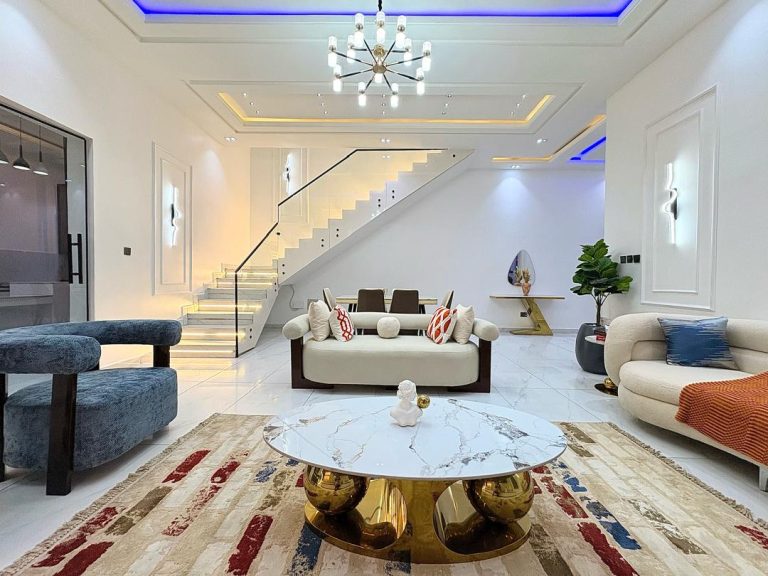
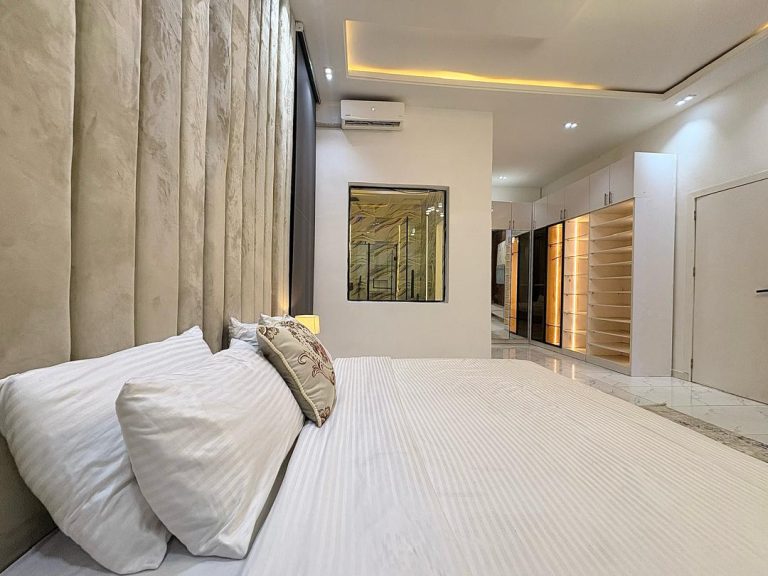
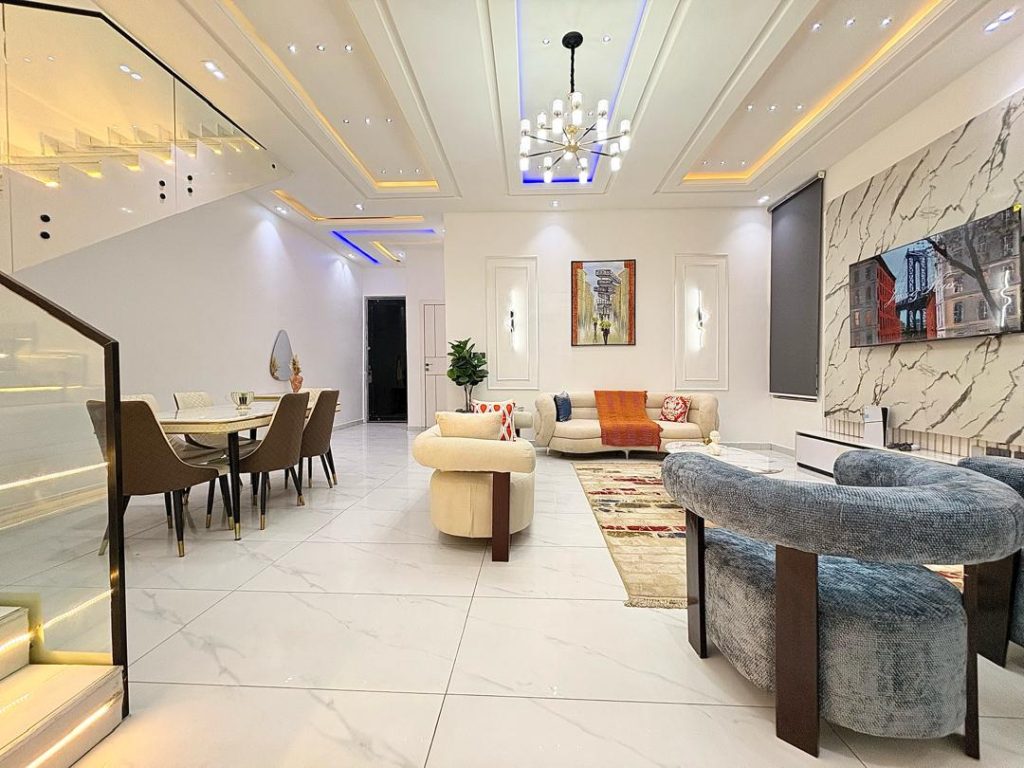
Their headline result is about what room you show first, not how well you shot it. Listings whose lead image showed the living room booked at a substantially higher rate. Listings that led with the bedroom booked worse.
More importantly, they found that the content of the image mattered considerably more than its aesthetic qualities like brightness, clarity and contrast. That is the opposite of how most hosts think about photography. You can have a beautifully exposed, perfectly composed photograph of the wrong room and lose to a merely decent photograph of the right one.
The reasoning is not complicated once you see it. A living room tells a guest about space, light, layout and how many people can comfortably sit down. A bedroom tells them about a bed. One of those answers the question a guest is actually asking.
What to do: lead with your best wide shot of the living area. Save the bedroom for position three or four. If you have an open-plan kitchen and living space, that single frame is usually your strongest asset because it shows two rooms and the flow between them at once.
Professional photography pays, but less dramatically than you have been told
The most cited study in this area was published in Management Science in 2022. The researchers tracked 7,423 properties over 16 months and compared listings that switched to platform-verified photographs, taken by professional photographers, against listings still using host-taken images.
The verified listings ran 8.98% higher occupancy.
That is a real and worthwhile gain. On a property doing twenty booked nights a month, it is close to two extra nights. Over a year it comfortably covers what a photographer costs in Lagos or Abuja.
One caution, because you will run into this. A much larger figure circulates in hosting blogs, usually quoted as a 17.5% demand increase or an extra $2,521 a year. Those numbers come from an earlier working-paper version of the same study. The figures changed when the research went through peer review and was formally published. The published number is 8.98%, and that is the one worth planning around.
The gap between your photos and your apartment is what costs you
This is the finding most hosts will not expect, and it is the most important one in this article.
A 2025 study in Annals of Tourism Research examined what happens when guests upload their own photographs alongside their reviews. On average, listings where guest photos appeared saw occupancy fall by around 10.4%.
At first glance that reads as an argument against guests taking pictures. It is not. The researchers identified the mechanism, and the mechanism is the lesson: guest photographs hurt a listing when they contradict the host’s photographs. The damage comes from the inconsistency, not from the amateur camera work. Where guest images broadly confirmed what the host had shown, the effect was muted.
So the risk is not that a guest takes a badly lit picture of your sitting room. The risk is that a guest takes a picture that makes a future guest think, that does not look like the listing.
This has a direct consequence on LibraX beyond lost bookings. Under our Host Cancellation Policy, a host can be held responsible for a cancellation even when the guest is the one who cancels, if conditions at the listing are materially different from how it was presented. Advertising a pool that guests cannot use is the example named in the policy. An aggressively edited photo set sits on the same spectrum.
Where the gap usually opens up
It is rarely deliberate. It creeps in through habits that feel harmless:
Wide-angle distortion. An ultra-wide lens makes a 3 by 4 metre bedroom look like a suite. The guest is not measuring anything, but they feel the difference the moment they walk in.
Heavy editing. Pushed saturation and brightness that turn beige walls white and make a north-facing room look sun-drenched.
Old photographs. Shot the week the apartment was furnished, still in use three years and several replaced items later.
Selective framing. Every angle carefully chosen to exclude the generator, the water tank, the view of the next compound.
The fix is not to make your listing look worse. It is to make sure a guest standing in the doorway recognises the place immediately.
Calm rooms photograph better than busy ones
A 2024 study in Electronic Commerce Research, working with data from a Chinese short-term rental platform, found something useful about colour. Listings whose images had higher colour richness, meaning a greater diversity of competing colours in the frame, performed worse on both booking decisions and guest satisfaction.
The same study found that images featuring household and leisure elements performed better.
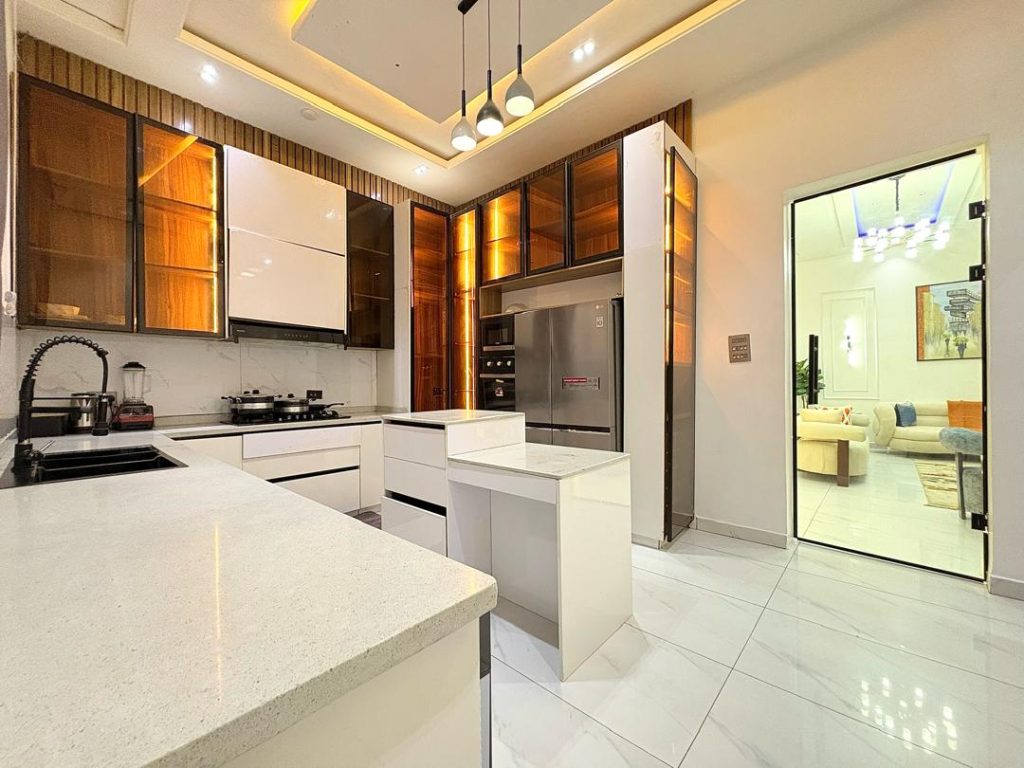
Put those together and you get a practical rule. A room with a coherent, restrained palette photographs better than a room with six competing colours in it, even if every individual item is nice. Before you shoot, take out the mismatched throw, the bright plastic bucket in the corner of the bathroom, the stack of multicoloured storage boxes. Leave the things that say someone could live here comfortably: seating, a set table, towels folded on the bed, a lamp that is on.
Why this matters most in December
The Lagos short-let calendar is not flat, and neither is what a booking is worth. During the 2025 festive season, operators reported near-full occupancy across Ikoyi, Ikeja, Lekki, Victoria Island, Surulere and Gbagada, with nightly rates for two-bedroom apartments rising by half or more.
That is the arithmetic that should drive your decision. A percentage gain in occupancy is worth most when each night is worth most, and the season when your photographs face the stiffest competition is the same season when a night in Lekki goes for two hundred thousand naira instead of one hundred and twenty. Shooting your apartment properly in September is a different investment from shooting it in February.
A shot list, in order
Based on the research above, here is the sequence worth following.
1. Wide living area. Your cover image. Shot in daylight, from a corner, at roughly chest height. Every lamp on.
2. The open-plan view. If kitchen and living room connect, the frame that shows both.
3. Kitchen. Counters clear except for one or two deliberate items.
4. Main bedroom. Bed made properly, curtains open.
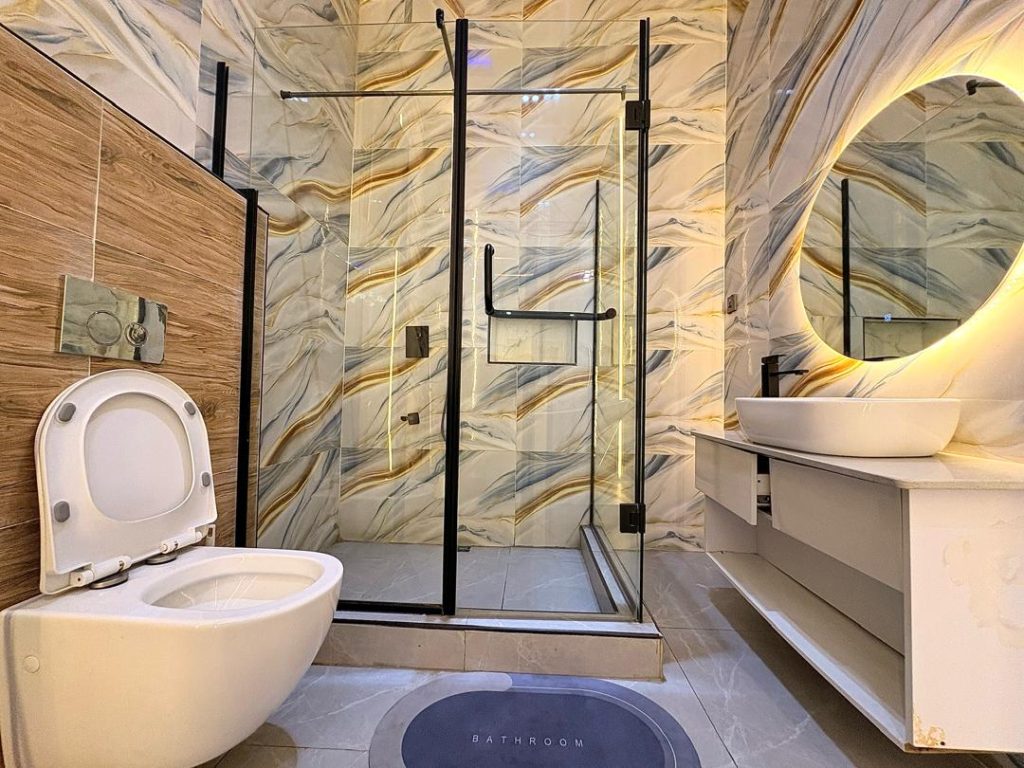
5. Bathroom. Clean, dry, fresh towels, nothing personal left out.
6. Remaining bedrooms.
7. The honest extras. The generator, the borehole, the parking, the security post. These rarely attract a guest on their own, but they close the gap between expectation and arrival, and that gap is what the 2025 research showed is expensive.
Shoot in the morning or late afternoon rather than at midday. Turn on every light even in daylight. Keep the camera level, because tilted verticals read as amateur faster than almost anything else. And reshoot whenever you replace major furniture rather than waiting for a guest to point out the difference.
Sources
Every figure in this article comes from published research. The papers are worth reading directly if you manage several properties.
Zhang, S., Lee, D., Singh, P. V. & Srinivasan, K. (2022). What Makes a Good Image? Airbnb Demand Analytics Leveraging Interpretable Image Features. Management Science, 68(8), 5644–5666.
He, J., Li, B. & Wang, X. (2023). Image features and demand in the sharing economy: A study of Airbnb. International Journal of Research in Marketing, 40(4), 760–780.
Wang, C., Liu, X., Xiao, Z., Gong, X. & Dang, J. (2025). Impact of guest-generated photos: Evidence from Airbnb. Annals of Tourism Research, 112, 103923.
Yang, X. & Tian, M. (2024). To see and then to believe: how image affects tenant decision-making and satisfaction on short-term rental platforms. Electronic Commerce Research, 24(4), 2877–2901.
Nairametrics (2026). Lagos short-stay apartments record strong diaspora-led demand during 2025 Detty December. 9 January 2026.
If you are setting up a listing now, it is worth reading our guide to choosing the right cancellation policy for your property alongside this one. Photographs bring the guest to the page. The policy decides what that booking is actually worth to you.

Pingback: How to Start a Short-Let Business in Nigeria: What You Need | LibraX